
Choosing the right plastic cup material is an important decision for beverage brands and distributors. PET, PP, and PS are three commonly used materials, but each has different characteristics.
This article compares PET, PP, and PS cups to help buyers understand which option is more suitable for their needs.
PET Plastic Cups
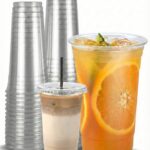
PET cups are best known for their high transparency and glossy appearance. They are commonly used for cold drinks and takeaway beverages.
Advantages of PET cups:
- Crystal-clear appearance
- Strong and lightweight
- Food-grade and safe
- Ideal for cold beverages
Limitations:
- Not suitable for hot drinks
- Higher material cost than PS in some cases
PP Plastic Cups
PP (Polypropylene) cups are more heat-resistant and often used for hot beverages or microwave-safe containers.
Advantages of PP cups:
- Good heat resistance
- Flexible and durable
- Suitable for hot drinks
Limitations:
- Lower transparency
- Less premium appearance
PS Plastic Cups
PS (Polystyrene) cups are usually used for low-cost disposable applications.
Advantages of PS cups:
- Low cost
- Easy to produce
Limitations:
- Brittle and easy to crack
- Lower impact resistance
- Less environmentally friendly perception
Which Plastic Cup Should You Choose?
The choice depends on your application:
- Cold drinks & visual appeal → PET cups
- Hot beverages → PP cups
- Low-cost, short-term use → PS cups
For most modern beverage brands, PET plastic cups are the preferred option due to their balance of appearance, safety, and performance.
Conclusion
Understanding the differences between PET, PP, and PS cups helps buyers make better sourcing decisions. Choosing the right material not only improves product performance but also enhances brand image.