

In the beverage packaging industry, peak seasons often bring increased demand and tighter delivery schedules. For plastic cup manufacturers, this is the time when production lines run at full capacity and coordination becomes especially important.
A busy production season is not simply about higher output — it reflects operational strength, planning ability, and manufacturing experience.
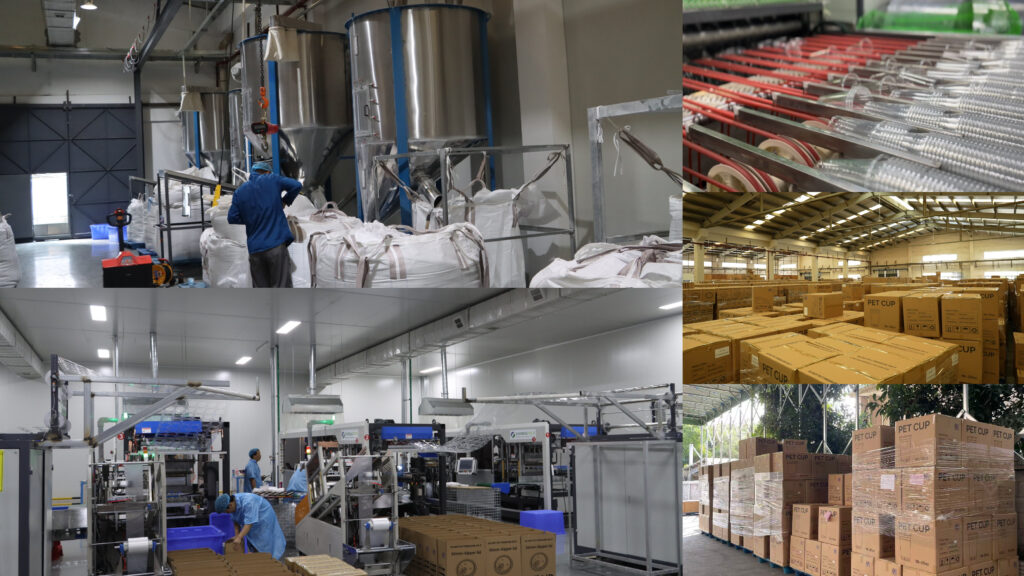
Increased Demand from Global Beverage Brands
During peak beverage seasons, many coffee chains, bubble tea stores, and distributors increase their order volumes. As a result, plastic cup factories must adjust production schedules to ensure stable supply.
Handling bulk orders efficiently requires both equipment capacity and workforce coordination.
How Production Lines Operate During Peak Season
Inside a professional plastic cup factory, production follows a structured workflow:
- Raw material preparation
- Sheet extrusion or molding
- Thermoforming into cup shapes
- Trimming and inspection
- Packing and warehouse management
When orders increase, production lines often operate for extended hours while maintaining strict quality control standards.
Efficiency becomes critical — but quality must never be compromised.
Maintaining Quality Under High Volume
One of the biggest challenges during busy seasons is maintaining consistent quality across large production runs.
Professional factories address this by:
- Using stable food-grade raw materials
- Implementing in-line inspections
- Monitoring thickness and clarity
- Conducting random sampling tests
Consistency during peak output is a strong indicator of manufacturing capability.
Production Capacity as a Competitive Advantage
For distributors and beverage brands, working with a factory that can handle large-scale production reduces the risk of supply shortages.
A factory with organized scheduling, modern equipment, and experienced operators can scale output without disrupting delivery timelines.
Production capacity is not only about machinery — it reflects management systems and operational discipline.
Warehouse and Logistics Coordination
Busy seasons also require efficient warehouse coordination. Finished products must be packed properly, stored safely, and prepared for container loading without delays.
Close collaboration between production and logistics teams ensures smoother shipments and faster turnaround times.
What a Busy Factory Really Means for Buyers
From a buyer’s perspective, a busy factory often signals:
- Strong and stable order flow
- Established customer relationships
- Reliable production management
- Proven ability to handle bulk orders
It indicates that the supplier is actively operating and trusted by multiple clients.
Final Thoughts
Peak production periods are demanding, but they also highlight the strength of a well-managed plastic cup factory. Consistent output, organized workflows, and reliable delivery performance are key factors in long-term cooperation.
For businesses sourcing PET plastic cups in bulk, partnering with a manufacturer capable of maintaining stability during busy seasons can provide greater confidence and supply security.